Home Solar Panels Explained for Eco-Conscious Households
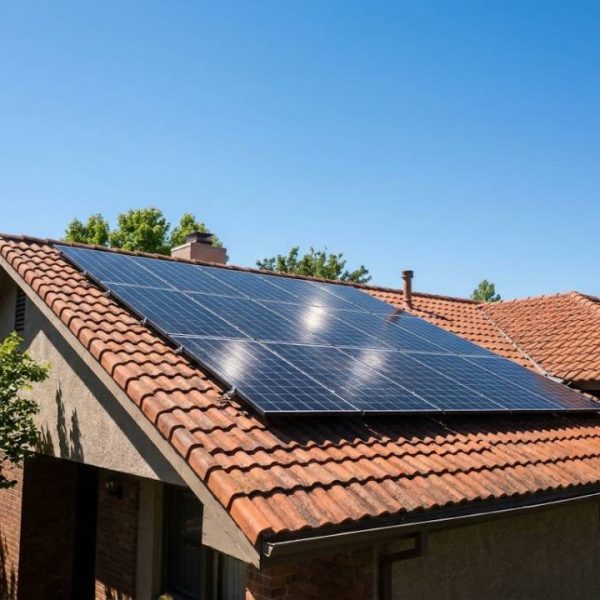
Solar panels have moved from a niche choice to a common sight on rooftops, and many households now wonder whether the switch makes sense for them. This guide walks through how home solar works, what affects the cost, and how to plan an installation without unpleasant surprises.
How home solar panels actually work
A solar panel is made of photovoltaic cells that turn sunlight into direct current electricity. An inverter then converts that current into the alternating current your appliances use. Any extra power flows back to the grid or into a battery, depending on your setup.
The basic science is not new, and the Wikipedia entry on the solar panel gives a clear overview of cell types, efficiency and common materials. What has changed is the price. Over the past decade, panels have become far cheaper while output per square metre has steadily improved.
A typical household system has no moving parts, which keeps maintenance low and lifespans long.
What affects the cost of a solar system
Price depends on system size, roof type, panel quality and local labour rates. A small system for an apartment may cost far less than a full array for a large family home. Ask for at least three quotes and compare the price per watt rather than the total only.
Incentives also matter. Many regions offer tax credits, feed-in payments or low-interest loans that shorten the payback period. These programmes change often, so check the current rules before signing a contract.
Do not forget ongoing costs. Inverters usually need replacing after ten to fifteen years, and a battery adds a significant upfront expense but gives more independence during outages.
Checking whether your roof is suitable
South-facing roofs in the northern hemisphere collect the most sunlight, but east and west faces can also work well with the right layout. Shade from trees or neighbouring buildings is the biggest enemy of output, so look at your roof at different hours of the day.
Roof age is another point. If your roof needs repairs within five years, it is cheaper to fix it first than to remove panels later. An installer can also check structural strength and local building rules.
Many companies offer a free site survey. Use it to ask about expected yearly production in kilowatt hours and the assumptions behind that figure.
Reading quotes and contracts from foreign suppliers
Solar equipment often comes from manufacturers in several countries, and some homeowners deal with installers who work across borders. Datasheets, warranties and manuals may arrive in another language, which can hide important details about coverage.
If a supplier sends documents in Polish, for instance, working with qualified Polish translation services helps you understand warranty terms, performance guarantees and safety instructions before you commit to a purchase.
Budgeting for translated manuals or website content is also easier when you know how professionals price their work. A useful read on that topic is this guide to translation rates and pricing, which explains the factors behind a quote.
Common mistakes to avoid
One frequent mistake is buying the largest system available without checking actual consumption. Review twelve months of electricity bills first, and size the system to match your real usage plus a small margin for future needs like an electric car.
Another is choosing the cheapest quote without checking the installer's certification and references. Poor workmanship can void warranties and cause roof leaks. Ask to see previous projects and read recent customer reviews.
A third mistake is ignoring the grid connection process. Local utilities often require paperwork and inspections before you can switch on, and delays can last several weeks. Start the application early.
Maintenance and long term performance
Panels need little care. A rinse with clean water a few times a year removes dust and bird droppings, and an annual visual check catches loose cables or damaged mounts. Avoid pressure washers and harsh chemicals.
Monitor your output through the inverter app. A sudden drop on a sunny day can signal a fault, and early detection saves money. Most panels come with a performance warranty of twenty-five years, guaranteeing a minimum output level over time.
Output declines slowly, often by about half a percent per year, so a system installed today should still produce most of its original power decades from now.
Making solar part of a wider green plan
Solar works best alongside other efficiency steps. Better insulation, LED lighting and a heat pump reduce demand, so a smaller and cheaper system can cover your needs.
Think about when you use electricity too. Running the washing machine or charging an electric car at midday uses your own power directly and reduces what you buy from the grid.
Finally, talk to neighbours who already have panels. Their real figures on production and savings are often more useful than any brochure.
Final thoughts
Home solar is a long term project that rewards careful planning. Check your roof, compare quotes, read every document and keep up with simple maintenance. With these steps, your household can cut bills and lower emissions for many years.